 The Yoto Player (3rd Generation) (brand photo)
Play & Soothe · Check #283
Is the Yoto Player (3rd Generation) worth it?
Yoto Player (3rd Generation)
Genuinely screen-free (no mic, camera or ads) with the stereo sound, night light and OK-to-wake clock the Mini lacks — but the “24-hour” battery is ~10 hours streaming, the box holds no content card, and the library is the real purchase: ≈$350 over two years (still ~half the Toniebox 2’s ≈$610).
See current price ↗The pitch
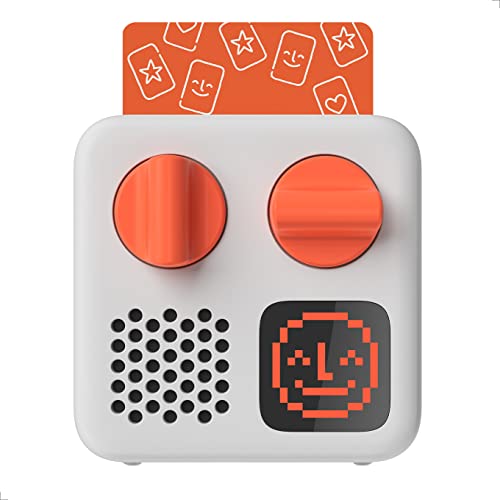
Screen-free audio a child runs alone — no microphone, camera or ads — with stereo sound, a seven-colour night light and OK-to-wake clock, 600+ hours of offline storage, and 1,000+ cards at $9.99–$14.99
The catch
The “up to 24 hours” battery is Yoto Support’s best case for downloaded cards — streaming runs ~10 hours, and Yoto’s own press kit prints 16; the box has no content card and no power adapter, there’s no water/dust rating, and the protective Adventure Jacket is a separate $29.99
FSA/HSA
not eligible — a personal-use entertainment player, not medical care under IRS Publication 502
What it is
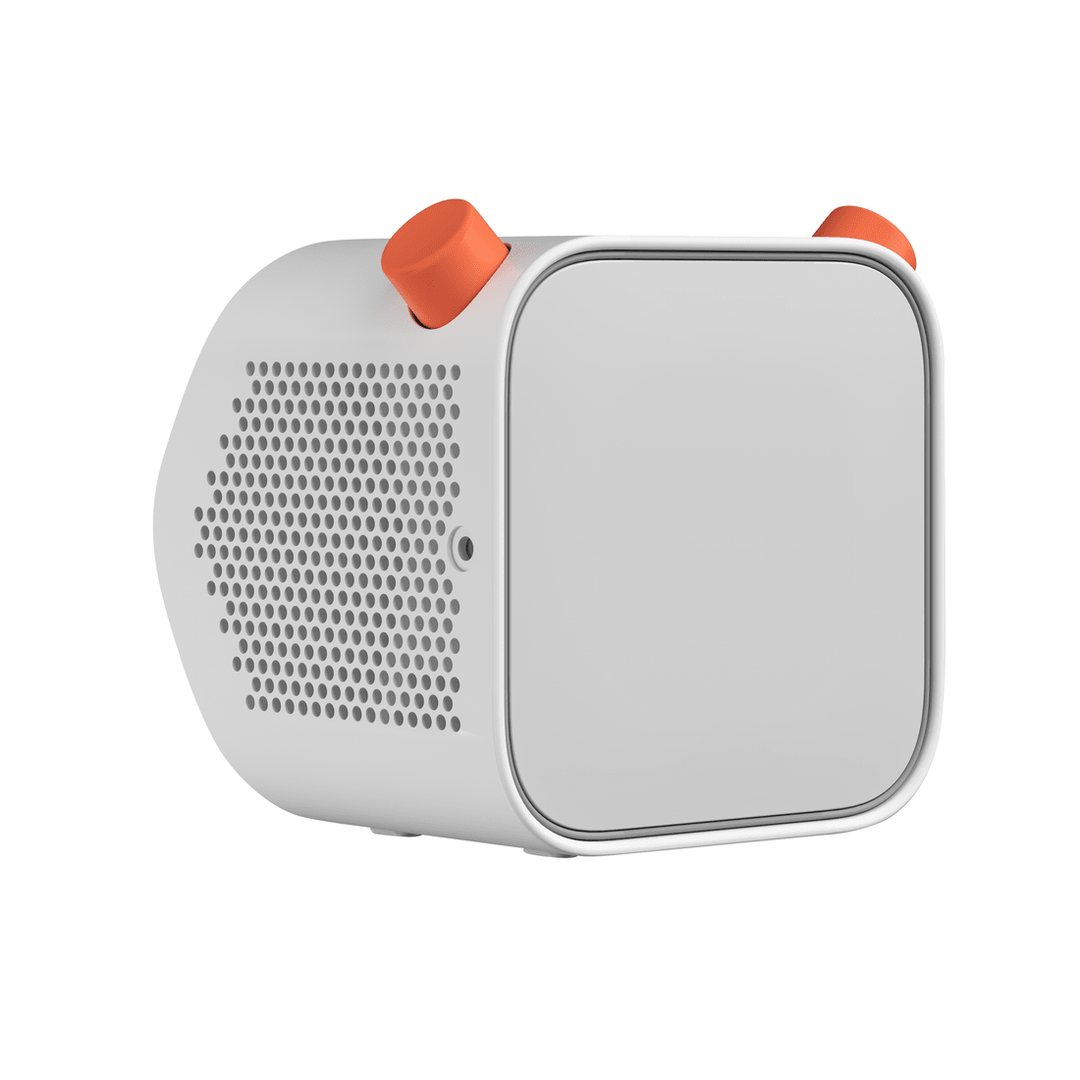
A screen-free, card-operated audio player for ages 3–12+ — the full-size, nightstand version of the Yoto Mini this library already checks. A child slots a Yoto Card into the top; the card is an NFC key, not storage — the audio downloads over Wi-Fi and caches on the player’s 32GB memory (600+ hours) for offline play. What the extra $30 over the Mini ($79.99) buys: a 40mm 5W stereo speaker, a programmable night light (seven colours), an OK-to-wake clock, a room thermometer, wireless-charging capability (dock sold separately) and roughly double the storage. The box contains the player, a USB-C cable and a Welcome Card that doubles as a blank Make Your Own card — no power adapter and no content card. Free built-in audio is real (Yoto Daily, Yoto Radio, sleep sounds, timers); everything else is the 1,000+ title card library, and that library is the purchase.
Claims vs. reality
“Screen-free, no microphone, no camera, no ads”: true — verifiable from the hardware; the one asterisk is that setup, downloads and settings run through the parent’s phone app. “Up to 24 hours of play per charge”: Yoto’s own materials print three numbers — 24 in the headline, 16 in Yoto’s 2026 press-kit spec sheet (and the Amazon listing’s spec line), and Yoto Support’s own split: up to 10 hours streaming with a bright display and Battery Saver off, 24+ hours playing downloaded cards with Battery Saver on. The card economics hold up: singles at $9.99–$14.99 vs $19.99 Tonies — two years at a card a month is ≈$350 all-in vs ≈$610 on the Toniebox 2. Yoto Club: Explorer $4.99/mo streams 200+ Originals but includes no cards; Collector $9.99/mo ($89.99/yr) adds one credit a month; Collector+ $16.99/mo ($149.99/yr) adds two — credits expire after 12 months and some premium cards cost 2 credits. Night light / OK-to-wake, headphones: all real — seven-colour light with app-set wake cues, a 3.5mm jack and Bluetooth headphone support, plus Bluetooth-speaker mode. Durability: no IP rating and no water-resistance claim on this model (IP67 belongs to the new 4th Generation Mini); the silicone Adventure Jacket is a separate $29.99, though lost cards can be re-linked to a blank in the app instead of re-bought.
Safety & recalls
No CPSC recall names the Yoto Player, in any generation (checked Nov 1, 2026). The recall that exists is Mini-only: CPSC recalled the Yoto Mini on April 11, 2024 — about 251,165 units, SKU PRPLXX00860, sold Nov 2021–Apr 2024 for about $70 — because its lithium-ion battery can overheat and catch fire, and reannounced it on December 12, 2024 (Recall No. 25-065), upgrading the remedy from a replacement Smart Cable to a free full Battery Replacement Kit (nine U.S. and three UK overheating/melting reports, no injuries). The full-size Player was not included in either announcement. A new Player needs no recall action; if the household later buys a used Mini, check its serial against Yoto’s recall page first.
Real reviews — what owners say
Target rates the Player (3rd Generation) 4.5/5 across 55 ratings — a thin pool, so the deeper record is long-term family reviews. The full-size speaker is the upgrade owners actually hear: clear and loud enough for a group, where the Mini is a quiet-room, one-child speaker. The night light plus OK-to-wake clock is the most-praised feature set, and the free Yoto Daily podcast — new every morning — keeps the player used without new purchases. Complaints, in order: the running cost/time trade (cards at $10–$39, or track-by-track Make Your Own uploads through the app); small, losable, multiplying cards — softened by the app re-link safety net and flat binder storage instead of a shelf of figurines; app-and-Wi-Fi dependence at setup and for every new card’s first download; and the cable-only box with no power adapter. No independent lab test of this model was found.
Price & FSA/HSA
$109.99 at Target and on Yoto’s US store (Nov 1, 2026) — it was $119.99 earlier in 2026 and dropped $10 when the 4th Generation launched in September 2026 at $149.99. The honest entry price is player plus a starter shelf: 10 cards put a first year at roughly $210–$260 all-in; two years at a card a month ≈ $350 à la carte, vs ≈$610 for the same habit on the Toniebox 2 and vs $79.99 + the same shared cards on the Mini — cards work across every Yoto player, so nothing is re-bought if you add the other size later. Yoto Club is optional and only beats à la carte if credits are actually spent before they expire. Not FSA/HSA eligible — a general entertainment/education player for personal use; IRS Publication 502 limits qualified expenses to medical care, and the sleep sounds, timers and thermometer are convenience features, not medical ones.
Genuinely screen-free (no mic, camera or ads) with the stereo sound, night light and OK-to-wake clock the Mini lacks — but the “24-hour” battery is ~10 hours streaming, the box holds no content card, and the library is the real purchase: ≈$350 over two years (still ~half the Toniebox 2’s ≈$610). Worth It If…