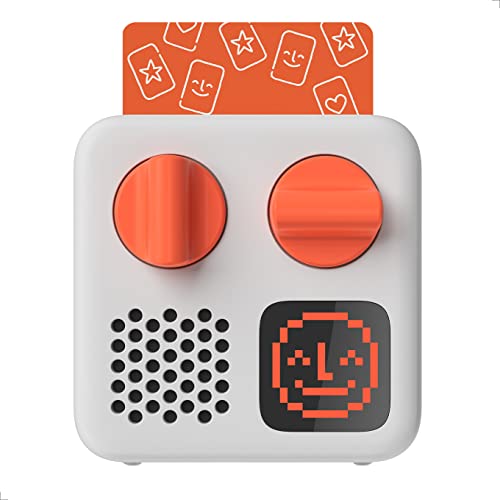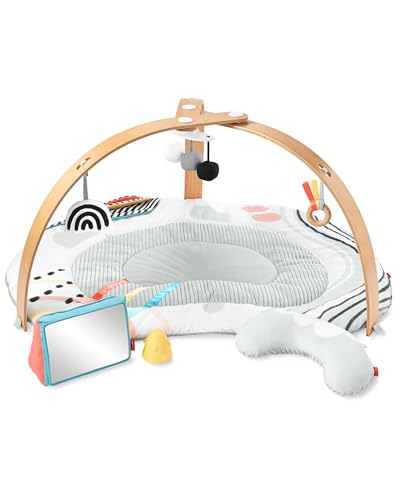
 A Play Kit’s playthings laid out (brand photo)
Play & Soothe · Check #274
Is the Lovevery Play Kits worth it?
Lovevery Play Kits
Expertly curated, genuinely high-quality stage-based toys with a parent Play Guide owners love — but the price quietly rose to $88 / $132 per kit ($1,584 from birth to age 3), no evidence shows the kits beat ordinary play for development, you can’t cherry-pick a kit’s hits, and two kit items have been recalled.
See current price ↗The pitch
Montessori-inspired, expert-designed playthings matched to your child’s exact developmental stage, delivered every 2–3 months with a Play Guide that teaches you how to play — FSC wood, organic cotton, no lights or sounds
The catch
$44 a month, every month, for up to five years — $1,584 by age 3 at the new $88 / $132 prices most reviews haven’t caught up to; no study shows the kits develop children faster than ordinary play, the newborn kits are the weakest value, and a strong secondhand market undercuts the subscription both ways
FSA/HSA
not eligible — general-development toys are personal expenses under IRS rules, not qualified medical expenses
What it is
A stage-based toy subscription: enter your child’s birth or due date and Lovevery ships a box of roughly 5–10 playthings — mostly sustainably harvested wood, organic cotton, and baby-safe plastic and silicone, in muted Montessori-inspired designs with no lights or sounds — plus a printed Play Guide and app access. The toys are yours to keep, and you can skip or cancel at any time. Kits ship every 2 months in the first year and every 3 months after. The full sequence is 22 kits from newborn to 60 months; through 36 months it is 14 kits — six baby kits (The Looker, 0–12 weeks, through The Thinker, 11–12 months) at $88, then eight toddler kits (The Babbler, 13–15 months, through The Free Spirit, 34–36 months) at $132. Kit contents are fixed: you cannot swap items, and most playthings are not sold separately.
Claims vs. reality
Price framing: most reviews still quote the old $80 / $120 per kit (“$40 a month”); Lovevery’s own help center now states $88 and $132 per kit — $44 a month of play either way. The full run is $1,584 from birth through 36 months and $2,640 to age 5, not the $1,440 most reviews imply. “Designed by child development experts”: the staffing is real — the team includes a Montessori expert, a psychologist and an occupational therapist — but no published study shows children develop faster or better with these kits than with ordinary toys, and Lovevery publishes no outcome study. What owners actually get is competent stage-matching plus parent coaching. “Montessori”: inspired-by, not certified — no Montessori organization endorses the kits, and the word is not a regulated toy label. Materials: FSC-compliant wood, organic cotton and non-toxic finishes are corroborated by hands-on reviewers, and the build survives multiple children — but the toys are manufactured in China, and silicone, plastic and felt sit alongside the wood and cotton. “Right toy, right time”: stage-matching is genuinely good on average, but children develop on individual timelines, and owner aggregates include items skewing advanced for the labeled age.
Safety & recalls
Two CPSC recalls name Play Kit items. (1) The Drinking Cup with Handle in The Inspector Play Kit (7–8 months), recalled February 2022: about 169,000 stainless-steel cups; the handle could detach — a choking hazard — with 70 US reports of detachment, two involving a child with the handle in their mouth, and no injuries; the remedy was a free handle-free replacement. (2) The Slide & Seek Ball Run with Wooden Knobs in The Babbler Play Kit (13–15 months), recalled February 1, 2024 (CPSC 24-098): about 47,000 units of the 2023 production; shipping damage could loosen the wooden door knob so it detaches — a choking hazard — with 39 reports and no injuries; the remedy is a free replacement. Recalled Ball Runs have the wooden knob but no logo engraved on the bottom and no green sticker inside the door — check any secondhand Babbler kit before use. No other Lovevery recall was found (checked Nov 1, 2026). Older kits contain small parts: keep them away from younger, mouthing siblings, and inspect wooden toys for damage.
Real reviews — what owners say
The independent record is deep, and it splits on value, not quality. Fathercraft (hands-on with The Looker and The Analyst; affiliate links disclosed) gives a thumbs up: engaging, sturdy toys that are “not easy to find” elsewhere, and a Play Guide that teaches the parents too — with cost and clutter as the cons. TwoMamaBears (unsponsored, self-funded, five years) found “most of the kits have been worth it,” but flags lost pieces, some toys that miss, and no way to buy just the hits. Anna in the House (unsponsored, two children) notes the per-item value inside a kit is uneven — a ball drop and a black-and-white card count the same — and concludes a child “will be fine without the play kits” even though the stress removal can make them worth it. Thingtesting’s owner aggregate is 4.7/5 across 91 reviews (96% would recommend), with price, clutter, age mismatches and interest waning after the first year as the recurring drawbacks. A recurring forum complaint is that the first one or two newborn kits are the weakest value — newborns mostly sleep and feed. Shoestring Baby flags the offset most reviews miss: used kits resell fast and hold value unusually well. Much of the glowing blog coverage runs on affiliate commissions and was weighted accordingly.
Price & FSA/HSA
$88 per kit (0–12 months, every 2 months) and $132 per kit (13+ months, every 3 months) at lovevery.com — $44/month of play at either tier, free US shipping, skip or cancel anytime. Totals: $528 for year one; $1,584 from birth through 36 months (14 kits); $2,640 for the full 22-kit run to 60 months. Prepaying for several kits lowers the per-kit price. Buying outside the subscription costs more: a single non-subscription toddler kit lists at $156 on the brand’s own pages, and Amazon — which sells individual kits, not the subscription — lists The Babbler at $150 against $132 direct (ASIN B0DLJG4YY6, per CamelCamelCamel). The real discount route is secondhand: used kits hold value well, and subscribers who resell recoup part of the $1,584. Play Kits are not FSA/HSA eligible — IRS rules limit those funds to care for a specific disease or condition, and general-development toys are personal expenses however expertly they are designed.
Expertly curated, genuinely high-quality stage-based toys with a parent Play Guide owners love — but the price quietly rose to $88 / $132 per kit ($1,584 from birth to age 3), no evidence shows the kits beat ordinary play for development, you can’t cherry-pick a kit’s hits, and two kit items have been recalled. Worth It If…